
Is it really 'better for raising a family' in the far-flung suburbs?
There’s a particular phrase you hear all the time from people in a certain life-stage here in Adelaide. It goes something like this: “ We like living near the city, but now that we are having kids, we want to move somewhere with more space - the suburbs are better for raising a family”. I’m paraphrasing, but the general idea is that raising a family requires first and foremost ‘space’ and your own backyard, and that if these are secured then the one can raise their family well. It follows therefore that a smaller residence in or near a city or activity area is unsuitable because it lacks this ‘space’.
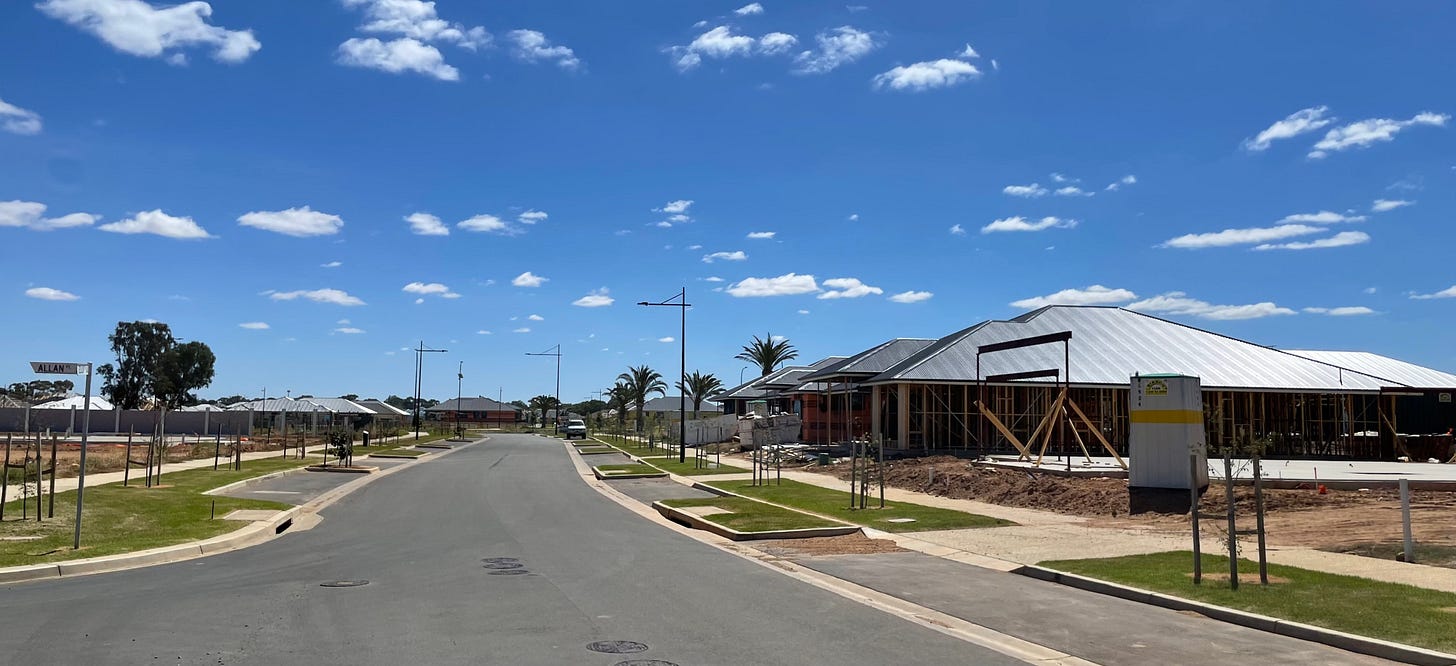
I’ll address the elephant in the room: we are in the midst of deepening housing crisis and it’s a fact that housing on the fringes of our cities is typically less expensive, leaving some families with no choice but to look for houses in these areas. In addressing this crisis, the combination of the commonly-held belief that a house in the suburbs is the best place to raise a child and a South Australian government that is doing everything in its power to win votes means that the majority of our new houses are being built on the suburban fringe. What we need to be asking ourselves is: what are the consequences of the choices we are making on the people that will be living in these new places, especially for the children?
I contend that the outer suburbs of the kind we are building today make it more difficult to raise a family and are a disservice to our future children. I know that these are strong words, especially from someone with no children of their own. But here is why I think this is the case: these suburbs are unabashedly designed with the assumption that everyone will drive everywhere all the time.
This is bad for the children because there is no possibility for them to get anywhere on their own except maybe the local park, because naturally children can’t drive until they are 18. What’s more, evidence shows that being driven to school can decrease a child’s physical health, attentiveness, and even their awareness of the wider world around them. Even if the children do want to walk or cycle, streets set up for high-speed car travel represent a real danger and barrier to a child’s mobility.
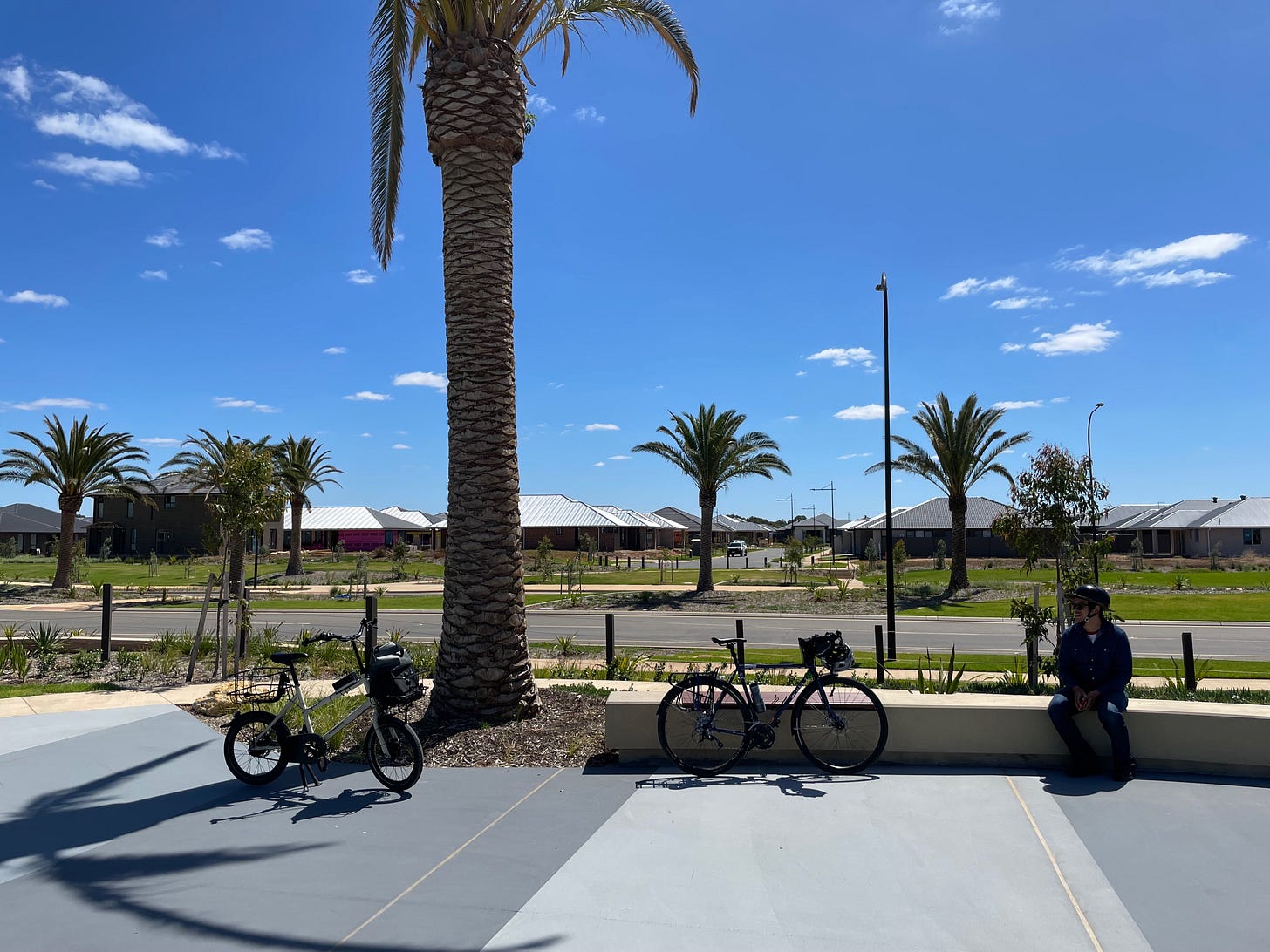
It’s also bad for parents because in living in one of these places they are signing up for 18+ years of chauffeuring their children around for every single activity. Each parent is likely to need a car, regardless of whether they are working or not, because a lack of local amenities like shops, doctors offices, and even sometimes schools means every trip requires a car. Socialising is difficult for the same reason. And when the children get older, they will almost certainly be needing a car themselves. All of this comes at a huge cost of time and money, eroding the very ‘affordability’ claimed as a reason for living in the suburbs in the first place.
It doesn’t have to be this way. We can design our cities and suburbs in such a way that children’s safety and independence is prioritied. Where the number of children playing, rather than car traffic speed, is the key performance indicator. Places like this would have a network of public spaces that are accessible and overlooked (as in, always under passive observation), a network of safe walking and cycling routes that can take children and families to places they actually want to go, low traffic, and good connections to nearby activity centres - say, by bus, train or tram. Somewhere, say, like Freiburg in Germany.
If we put our minds to the task we might be able to come up with places in Adelaide that fit the above-mentioned criteria for a child-friendly city too. Places like Goodwood, or Bowden, or the city centre, where children and their parents stand a reasonable chance of gaining independence without the associated condition of being able to drive a car. Yes, these places are expensive, but only because they offer a lifestyle that is currently scarce and hence they are in high demand. So when we are building more places to live as part of addressing the current housing crisis, we need to be building less places that lock children and their families into a prison of car dependence and more places like these that open the opportunity of independence for everyone.
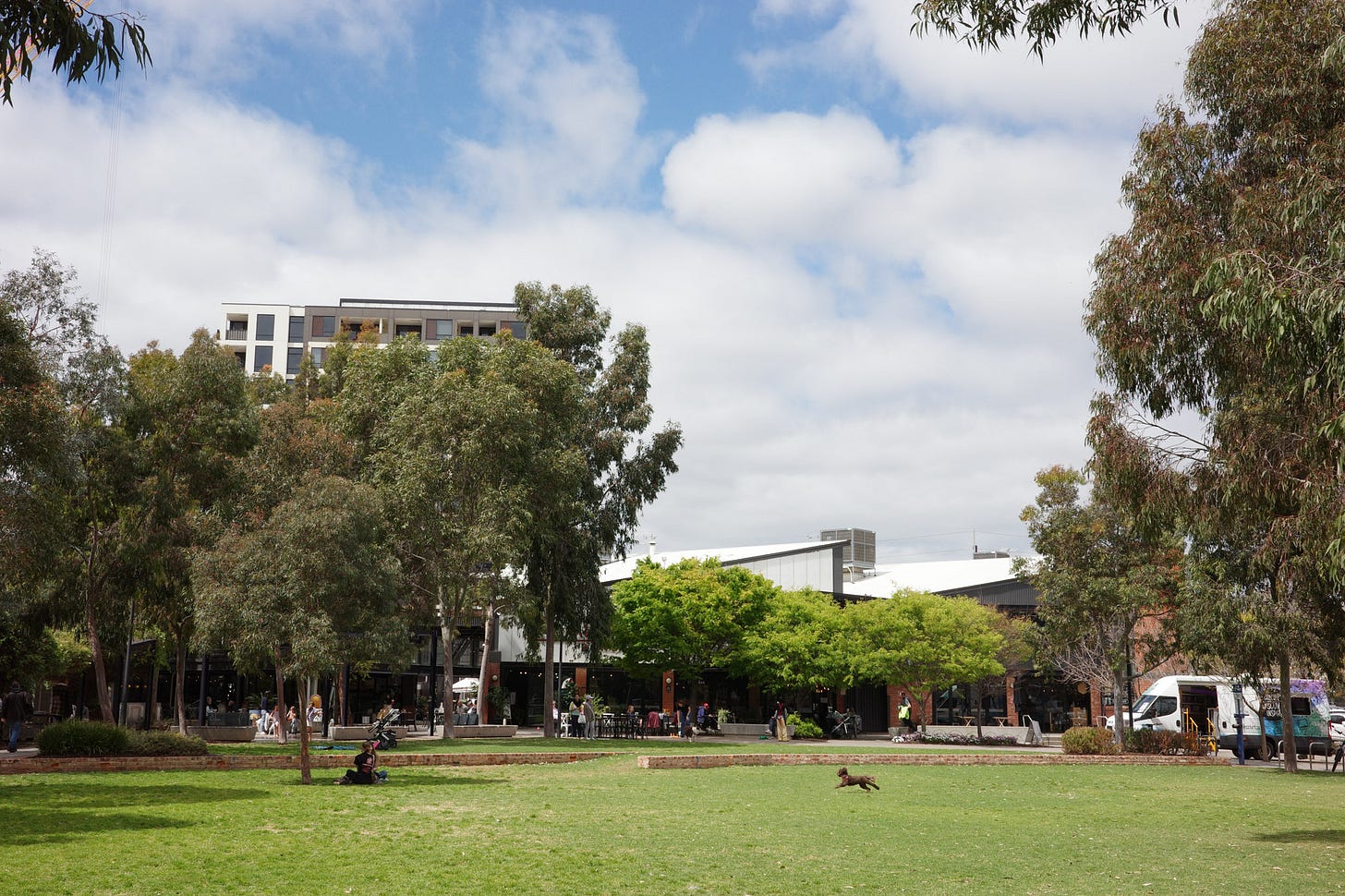
This is a big and complex topic and I’ve been meandering in my argument, but the heart of the matter I wanted to address is this: children have a right to the city just as much as anyone, and it’s about time we recognise this and change the way we are doing things.
If you want to know more, I suggest looking at the following:
- The excellent local advocacy organisation Middle Ground Motherhood and their campaign Kidical Mass
- The work of Tim Gill, a global advocate for children’s play.
- This excellent edition of the Urban Design Journal all about Child Friendly Cities
Comments ()