
In between NIMBY and YIMBY
s a lover of cities and the magic that good density and diversity can bring, one of the things I regularly dwell on is the wildly varying core beliefs on change people can have, particularly when it comes to the makeup of the areas they live. On the one hand are the NIMBYs, those who support in principle new housing/a bike lane/more walkable/cycleable streets/what have you…. just Not In My Back Yard. Standing diametrically opposed to the NIMBY is the YIMBY, who are wont to say Yes to any and all density - and the more the better, all objections be damned.
I agree with the YIMBY that the places we live in need to change. At the same time, I sympathise with NIMBYs and their outrage at what they see is the destruction of the character of their local places. The thing is, I think they are both right, and the way forward in creating more liveable, more affordable communities lies somewhere in the messy, interesting zone between these two opposing world views.

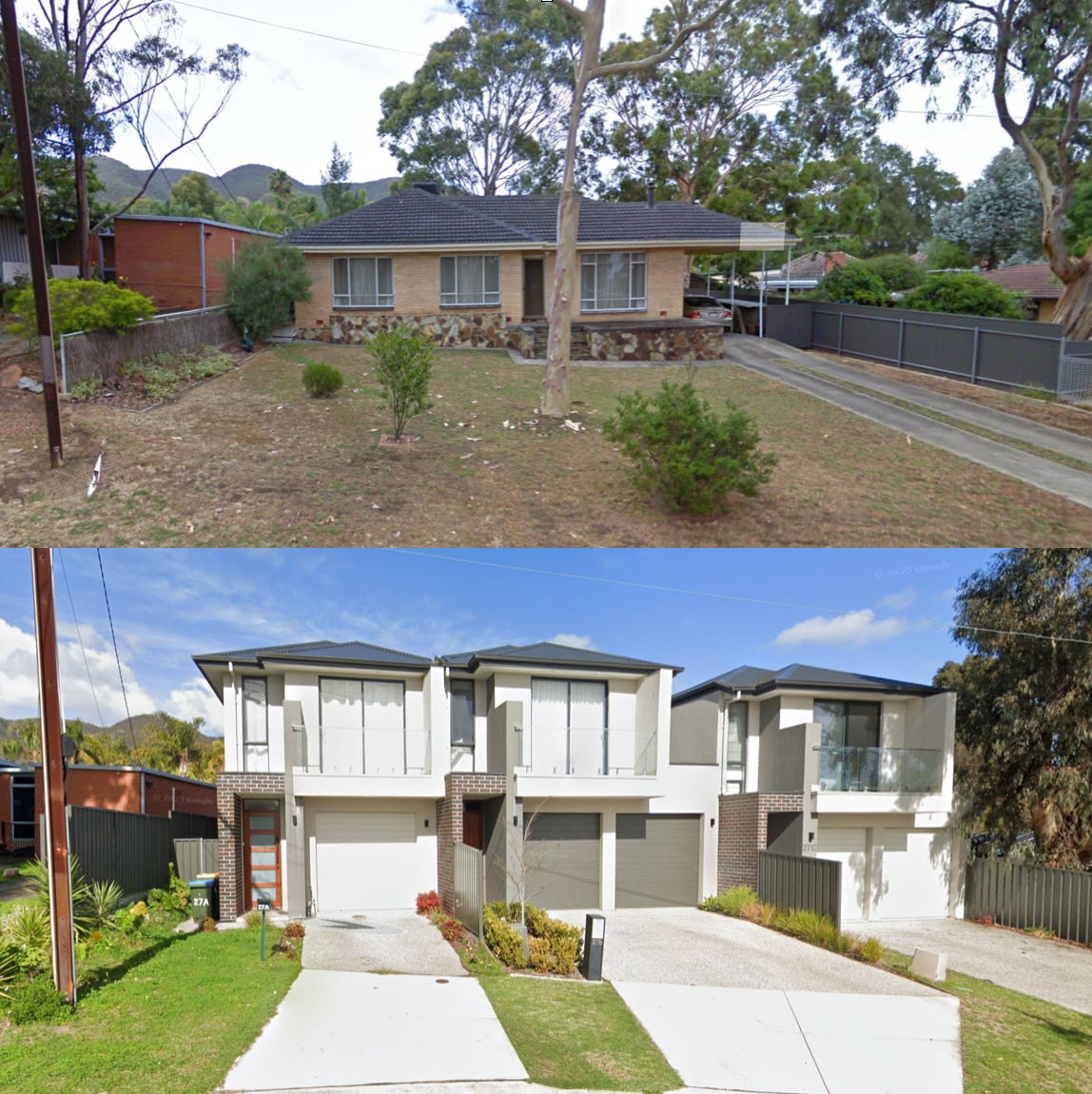
There is something to the pushback directed at new development in established areas. Prevailing forms of development in a place like Adelaide involve the demolition of existing, often modestly-scaled houses in landscaped settings and their replacement with two, three, four or even six tightly-packed houses, each as big as the one that was demolished. Walls crowd the boundary, mean windows stare at ‘good neighbour’ fences and what little open space is left is dominated by hard surfaces for the storage or circulation of cars.
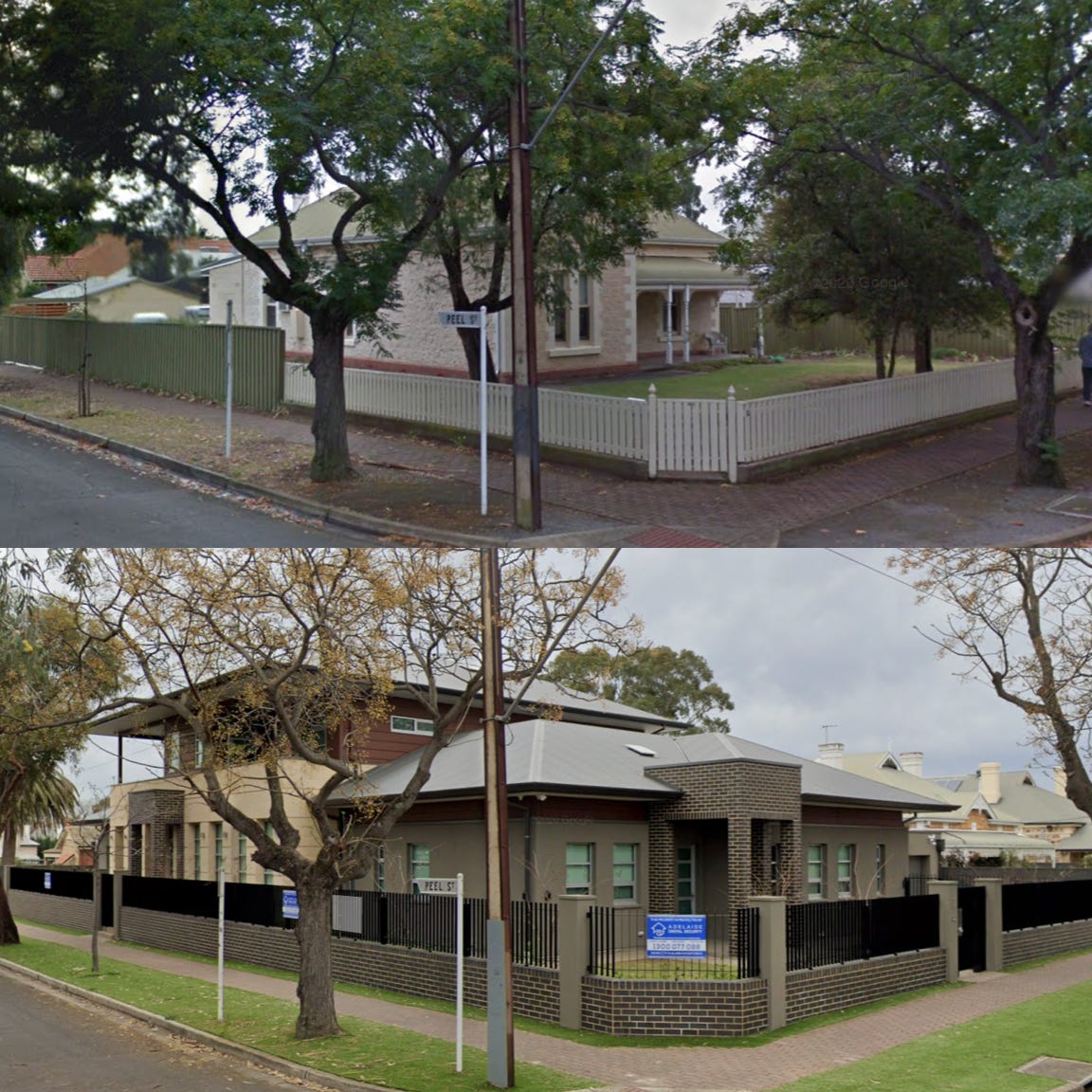
A common argument put forward by those who oppose change in existing neighbourhoods is that they want to preserve a certain ‘character’ or ‘way of life’ that exists in these places. I think that this is problematic for two reasons. For one thing, an attempt to pin down the ‘character’ of an area to a specific moment in time (the present) ignores the fact that places have changed over time since their inception and continue to change no matter how much said change is resisted. In the opening chapters of his book Bluefield Housing as Alternative Infill for the Suburbs, architect Damian Madigan explores the fundamental changes in both lifestyle and physical character that have accumulated over the decades in established suburbs. To Madigan, to call for preservation of a neighbourhood’s current form, despite all the evidence that life in the neighbourhood would be unrecognisable to its original inhabitants, is a form of hubris. And to me, it’s also hypocritical, as the change that is allowed and welcome is also radically changing what it means to live in these established areas.
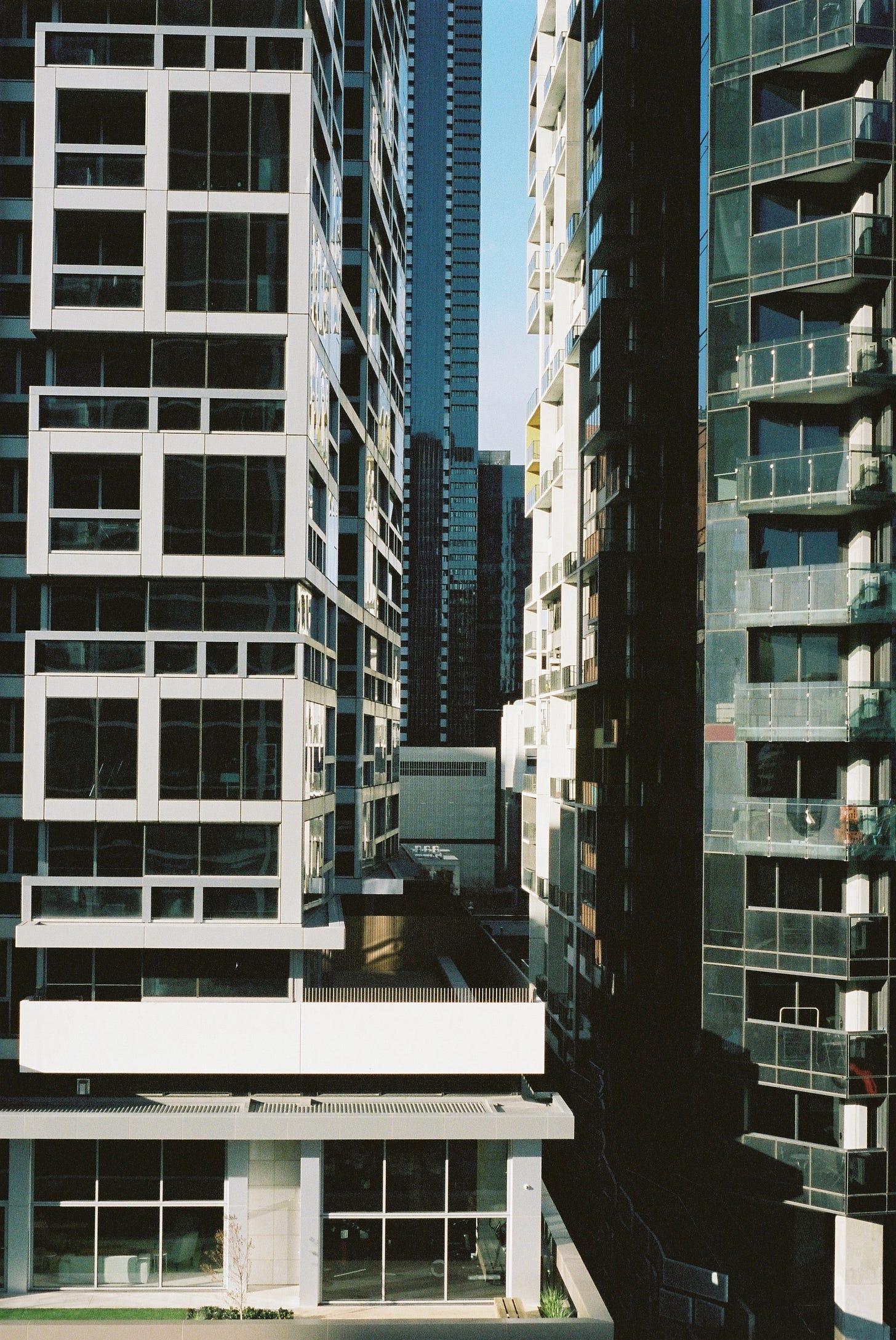
The YIMBY acknowledges that change must happen. Supply is the answer to the housing crisis, they say. Zoning should be relaxed, pesky impediments to development like minimum outdoor space, access to sunlight or design standards should be abandoned and developers should be allowed to build as high as they want, anywhere they want. Skyscrapers are celebrated. NIMBYs are ridiculed. With the weight of development capital behind it, at times the YIMBY mindset can seem an irresistible force, an inevitability of ‘progress’ that is opposed only by reactionary luddites.
And yet, in the rush to build more and higher, something important is lost. In a recent article for Architecture Australia, Elizabeth Farrelly laments the new Australian neighbourhoods that “come close to the misery of Victorian London”, where you “stare from your own black-and-charcoal box balcony straight into others every bit as colourless and soulless” and the streets are “so unpleasant – so shadowed, windswept and grim – that, despite the density, people still drive everywhere”. It’s no doubt these places that a NIMBY has in mind when they oppose the new apartment building down their road.
I can see how the polarisation happens. Opposition to bad density becomes opposition to all density. And the reaction to an unwillingness to change too often results in a sweeping aside of all that it means to have a pleasant place to live. For me the answer lies between these two black-and-white ways of looking at the world. We need to allow for change and to bring more people (back) to living in our established areas. And in doing so, not only can we ensure that a nebulous ‘character’ is not degraded, we can actually make those places better for everyone.
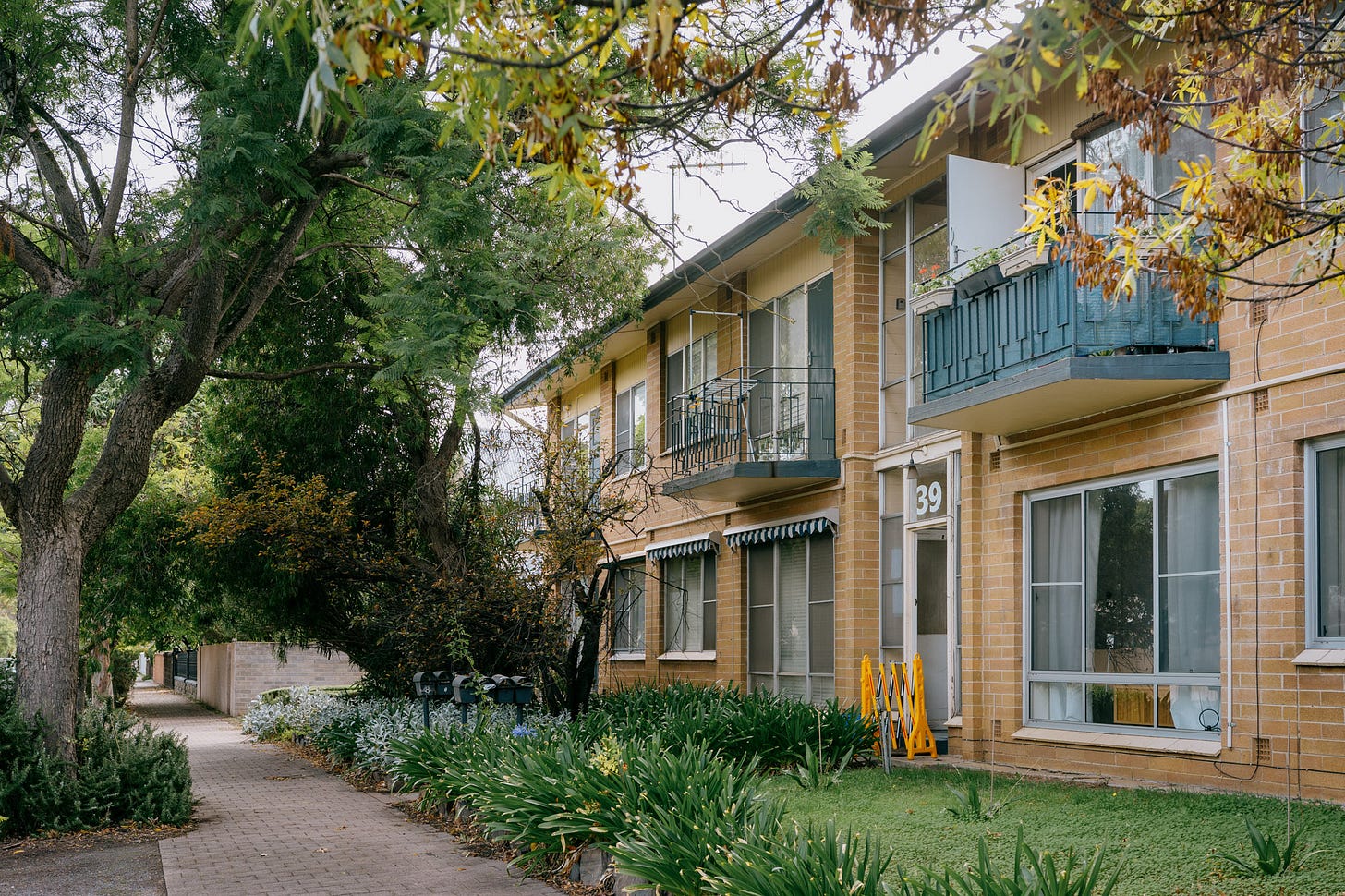
We can look to the past to see how this might be achieved. The established suburbs of Adelaide actually have gone through a process of densification and change in the past: in that period between the early ‘60s and late ‘70s that graced us with the small, well-built walk-up units that, in providing an affordable alternative for living, have been essential to the survival of these neighbourhoods today. Unburdened by minimum floor area or car parking requirements intended to ‘preserve’ character and blessed with floorplans from an era where natural light and air were sacrosanct, the best of these places sit comfortably in their single-family-residential surroundings. I wrote a love-song to these unsung heroes of suburbia on my other blog.
Today, the spirit of these places lives on in recent initiatives such as the NSW State Government’s Housing Pattern Book, a catalogue of low and mid-rise designs available for purchase for a very reasonable price and with a guaranteed fast-track pathway through the planning process.
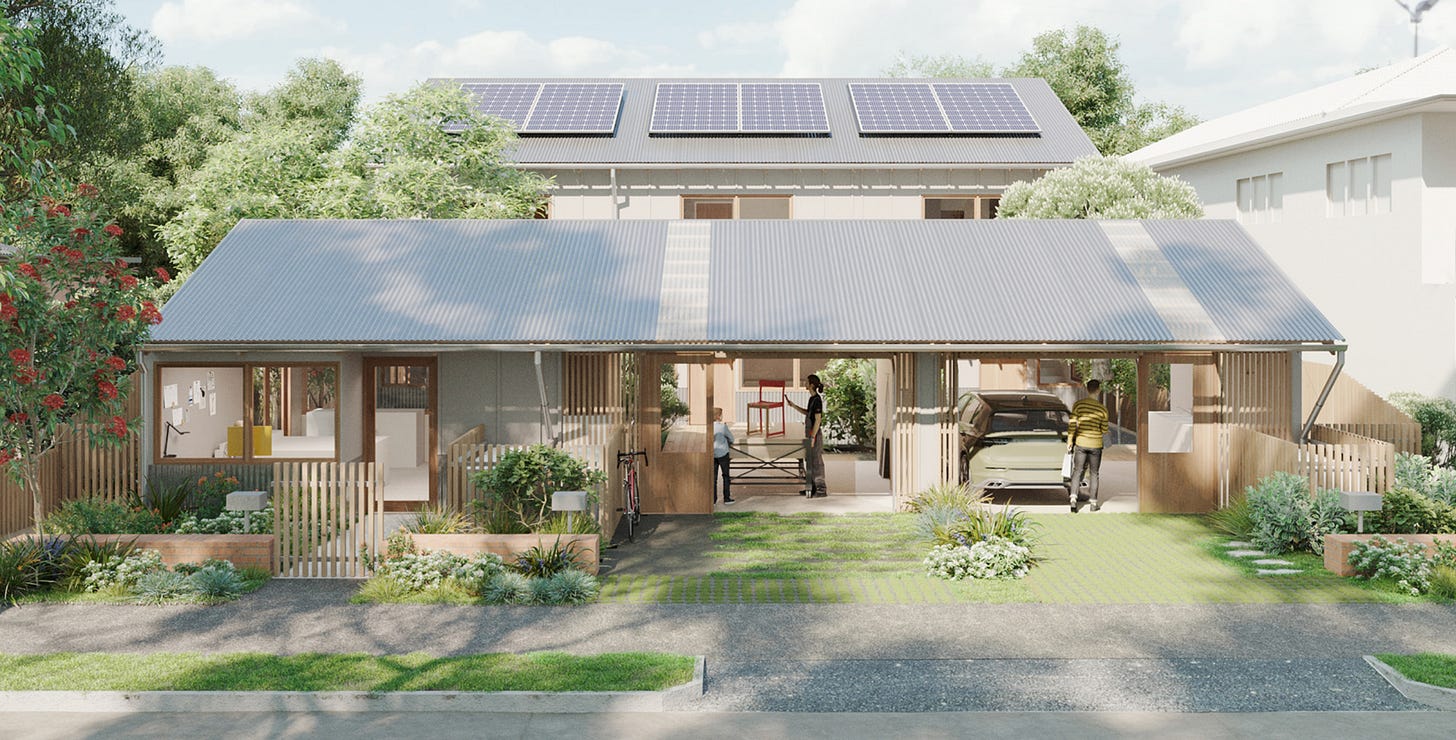
And closer to home, we have a real-life example of what people-first, living density looks like in the formerly-industrial suburb of Bowden. In Bowden we find new housing of a range of scales in a neighbourhood that is enmeshed in its surrounding context. There is density, but also diversity of use - it’s not just a sleepy dormitory suburb. It’s a place where you can walk the streets and squares and see people of all ages at all times of the day. It’s the kind of place we can create everywhere, if we think to try.
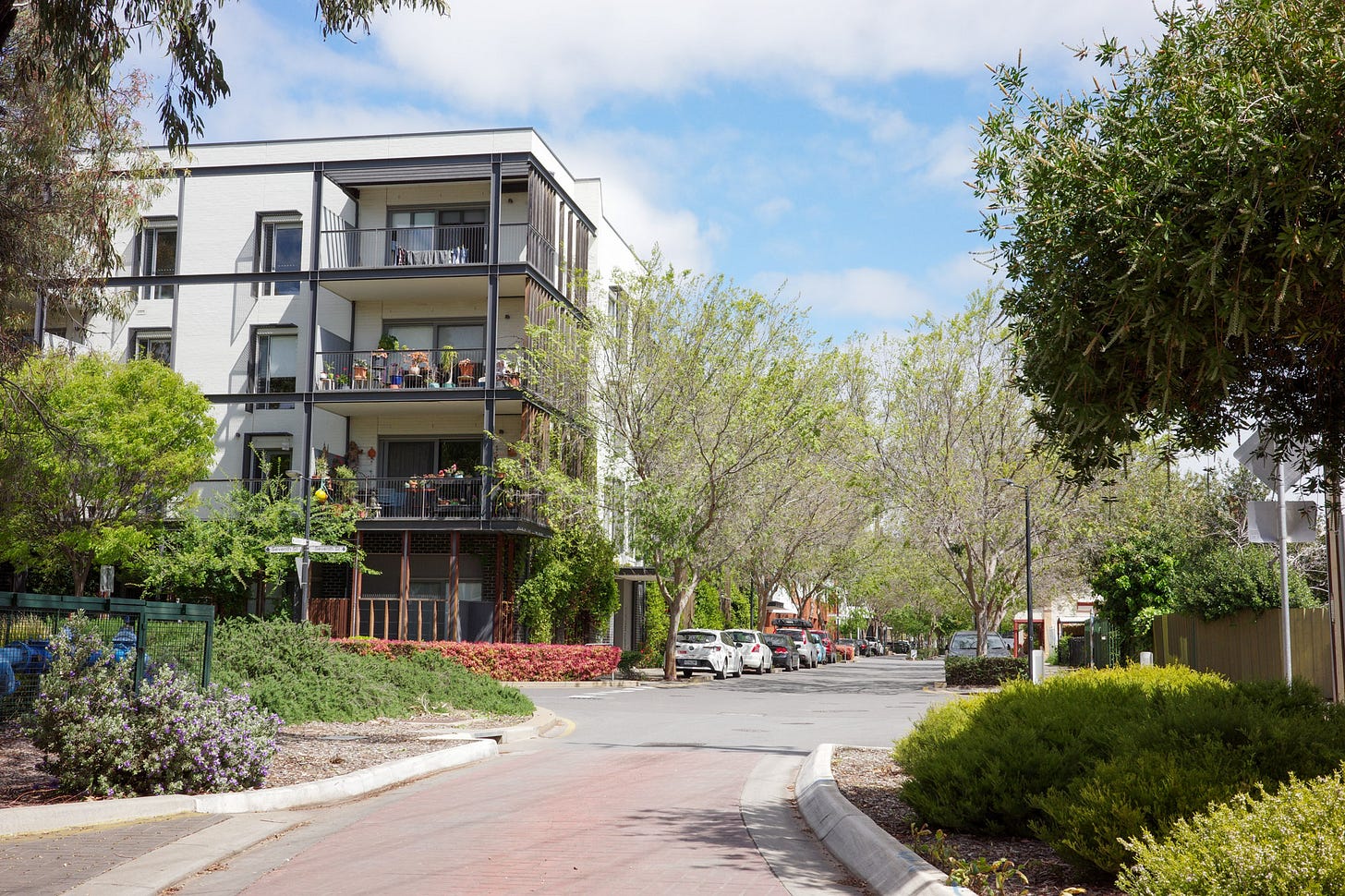
Indeed, I think Bowden is the best example of a new neighbourhood I have seen in Australia - but that’s a story for another post.
Comments ()